

What is Cloud Computing for Business?
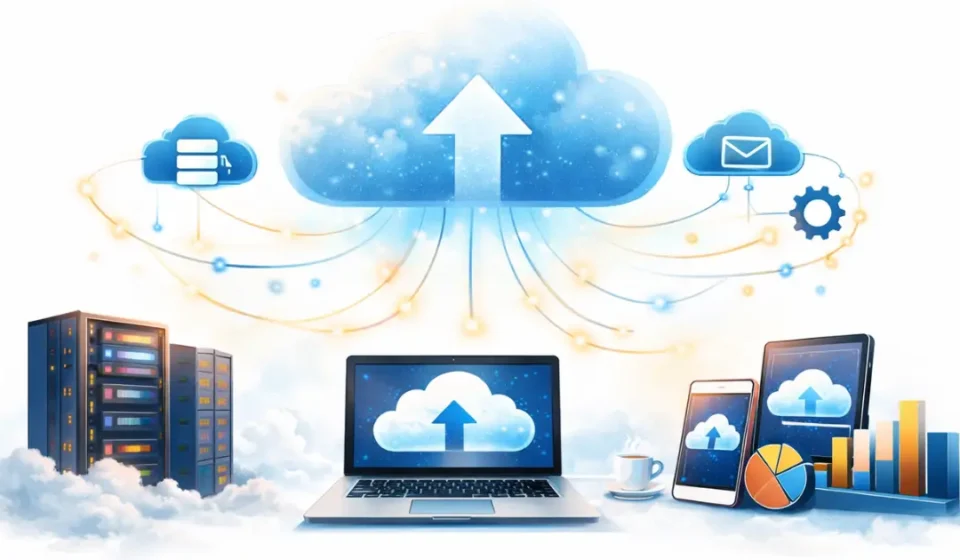
Modern companies rely on digital systems to manage data, communication, and operations. Cloud computing in business refers to utilizing online servers instead of physical machines. These systems deliver cloud computing services that enable businesses to store data, run applications, and support daily workflows efficiently.
Instead of buying expensive hardware, companies use business cloud solutions that scale easily. This shift improves flexibility and reduces maintenance. Many organizations now depend on cloud computing for business to stay competitive and manage operations more effectively.
Why Cloud Computing is Important for Modern Businesses
Technology moves fast, and companies must adapt quickly. Cloud computing supports innovation by enabling digital transformation in business and improving operational speed. Businesses can launch services faster and respond to market changes with more confidence.
In addition, platforms like Amazon Web Services (AWS) for business, Microsoft Azure cloud solutions, and Google Cloud Platform (GCP) provide reliable infrastructure. These tools allow companies to access powerful systems without building everything from scratch.
How Cloud Computing Solves Everyday Business Problems
Businesses often struggle with data storage, collaboration, and system reliability. Cloud computing use cases in business address these issues by offering centralized systems that simplify access and management. Teams can work together in real time using cloud-based tools.
For example, remote work cloud tools allow employees to collaborate from different locations. This improves productivity and reduces delays. These systems also support data backup and disaster recovery, ensuring important data remains safe even during unexpected failures.
Real Examples of How Businesses Use Cloud Computing
Real-world applications show how cloud computing examples in business work. Companies use SaaS applications for business like CRM tools, email platforms, and project management systems, to streamline operations.
Retail businesses use cloud storage for companies to manage inventory and customer data. Financial firms rely on secure systems for transactions. These examples highlight how businesses depend on cloud systems to operate efficiently across industries.
Key Benefits of Cloud Computing for Businesses
The benefits of business cloud computing include flexibility, scalability, and improved performance. Businesses can access resources on demand without investing in infrastructure. This allows them to grow without technical limitations.
In addition, cloud computing advantages for companies include improved collaboration and faster decision-making. With cloud-based business applications, teams can share data instantly and respond quickly to new opportunities.
How Cloud Computing Improves Business Efficiency and Productivity
Efficiency increases when systems work smoothly. Cloud computing for business automates tasks and reduces manual processes. This allows employees to focus on important work instead of routine operations.
Tools like cloud CRM systems and cloud ERP solutions help manage customer relationships and business processes. These systems improve accuracy and speed, making daily operations more efficient and organized.
How it Reduces Costs for Companies
Cost control is a major advantage. Cloud computing cost savings come from eliminating the need for expensive hardware and maintenance. Businesses only pay for what they use, which improves budget management.
Traditional systems require large upfront investments. In contrast, enterprise cloud solutions use flexible pricing models. This makes cloud adoption more affordable, especially for startups and small businesses.
How Cloud Computing Supports Business Growth and Scalability
Growth requires flexible systems. Cloud computing in business allows companies to scale resources based on demand. When traffic increases, systems expand automatically without disruption.
These scalable cloud solutions support expansion into new markets. Businesses can handle growth without rebuilding infrastructure. This flexibility is one of the main reasons why businesses use cloud computing today.
Cloud Computing and Data Security in Business
Security remains a priority for businesses. Modern systems include encryption, monitoring, and access controls to protect data. business data security in the cloud ensures sensitive information stays protected from threats.
Cloud providers invest heavily in security systems. They manage risks through advanced protocols. This makes cloud computing services for businesses more secure than many traditional setups.
What Happens When Businesses Don’t Adopt Cloud Solutions?
Companies that avoid cloud adoption often struggle to compete. Without modern systems, operations become slower and less efficient. This limits growth and reduces productivity over time.
Outdated infrastructure increases costs and risks. Businesses may face data loss, poor performance, and limited scalability. These challenges explain the advantages of cloud computing for small businesses and why adoption continues to grow.
How Cloud Computing Supports Long-Term Business Success
Long-term success depends on adaptability. Cloud technology for companies enables innovation by supporting new tools and services. Businesses can test ideas quickly and improve systems continuously.
Cloud systems also support future trends. As technology evolves, companies using cloud platforms can adapt more easily. This ensures sustainable growth and long-term competitiveness.
Business Impact of Cloud Computing
| Area | Impact |
|---|---|
| Cost | Reduced infrastructure expenses |
| Efficiency | Faster operations and automation |
| Security | Advanced protection and backups |
| Scalability | Easy expansion of resources |
| Collaboration | Improved teamwork and access |
This table highlights how cloud computing in business improves key operational areas.
Conclusion: Why Cloud Computing is a Strategic Business Advantage
The rise of cloud computing in business has changed how companies operate. From cost savings to scalability, the benefits are clear and practical. Businesses can improve efficiency while reducing risks and expenses.
As digital systems continue to evolve, cloud technology remains essential. Understanding how businesses use cloud computing helps companies stay competitive and prepared for future challenges.

